
My Perspective on the Growing Insecurity Challenges Facing Nigeria
As a grassroots politician and political analyst, I have spent considerable time observing the political landscape, governance structure, and security challenges confronting our nation. Based on my observations and experience, I have come to the conclusion that Nigeria’s problems run much deeper than the question of who occupies the presidency.
Many Nigerians believe that a change of leadership through elections will automatically solve the nation’s security and economic challenges. While leadership is important, I believe we must honestly assess whether our current system of governance is capable of effectively addressing the complex realities of a country with over 200 million people, diverse ethnic groups, and vast geographical regions.
In my opinion, the insecurity confronting Nigeria today is not merely the failure of one administration or one political party. It is the manifestation of long-standing structural weaknesses that have accumulated over decades. Therefore, replacing one president with another may not necessarily produce the dramatic transformation many citizens expect.
History has shown that successive administrations have struggled with security challenges despite making various efforts to address them. This suggests that the problem may be larger than the personality of any individual leader. The expectation that a single election or a single political figure can instantly resolve insecurity, unemployment, poverty, corruption, and economic hardship may not be realistic.
What Nigeria needs is a serious conversation about restructuring governance and devolving greater responsibilities to the regions and states. I believe that a more decentralized system would enable governors and regional authorities to take greater ownership of security, economic development, and social progress within their jurisdictions.
Under such a system, leaders would be closer to the people and more directly accountable for their actions and performance. Citizens would know exactly who to hold responsible for security failures, infrastructure deficits, and developmental challenges within their respective regions.
The reality is that governing a nation as large and complex as Nigeria from a highly centralized structure places enormous pressure on the federal government. No single president, regardless of competence, political party, or personal intentions, can effectively oversee every aspect of governance affecting over 200 million citizens spread across the federation.
This is why I believe the national conversation should move beyond personalities and elections alone. While elections remain an important democratic process, they should not distract us from addressing the deeper institutional and structural issues that continue to hinder national development.
Nigeria’s future depends on creating governance structures that promote accountability, local responsibility, efficient security management, and equitable development across all regions. Until we address these fundamental issues, we may continue to witness recurring cycles of insecurity, economic hardship, and public dissatisfaction regardless of who occupies political office.
My position is not an attack on any individual, political party, or presidential aspirant. Rather, it is a call for Nigerians to engage in deeper and more objective discussions about the kind of governance system that can effectively serve our people and secure the future of our nation.
May God guide our leaders, protect our citizens, and grant Nigeria lasting peace, security, and prosperity.

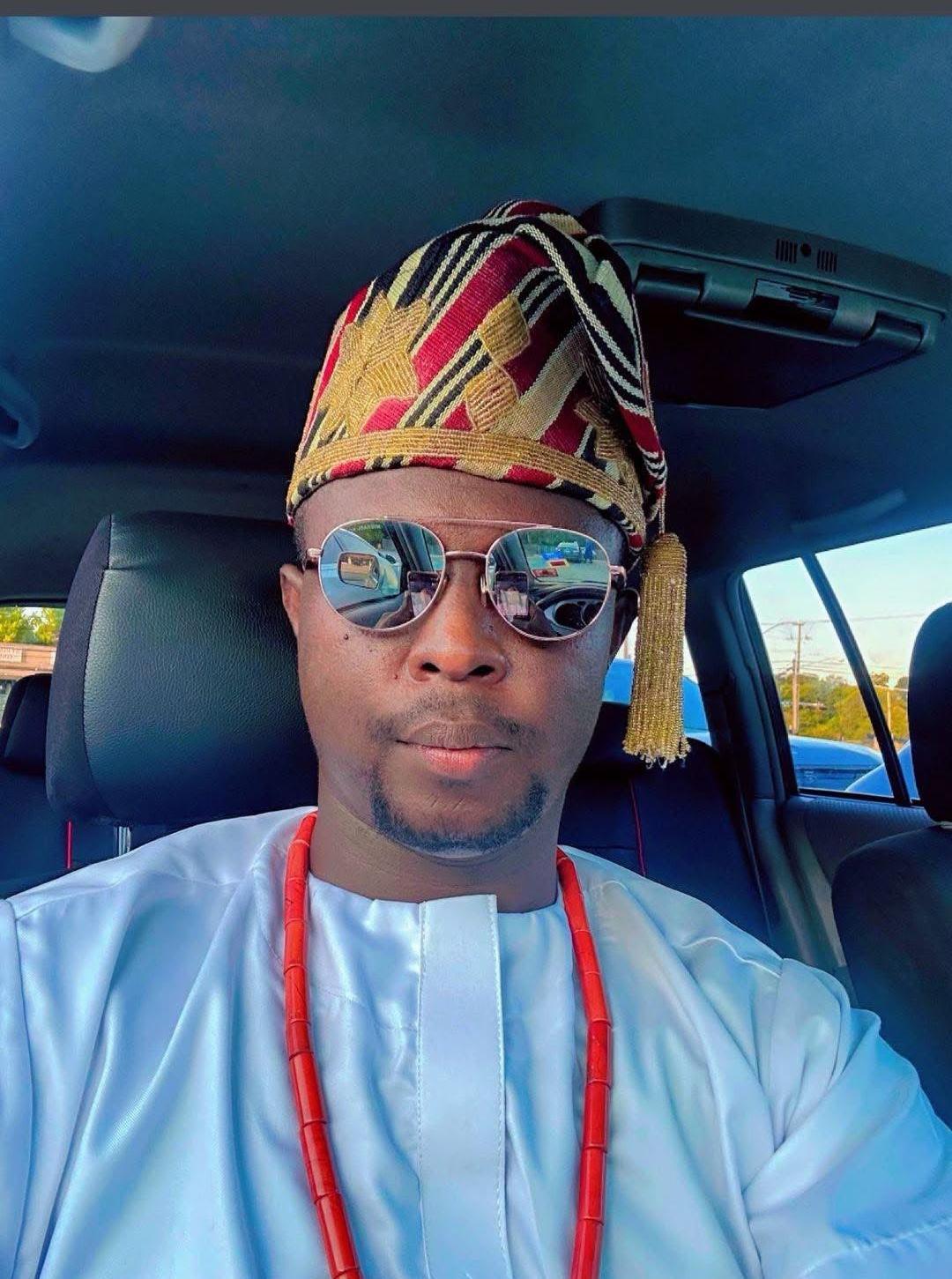
Prince Abiodun Abioye Opeola(Princejeje)
Grassroots Politician & Political Analyst
